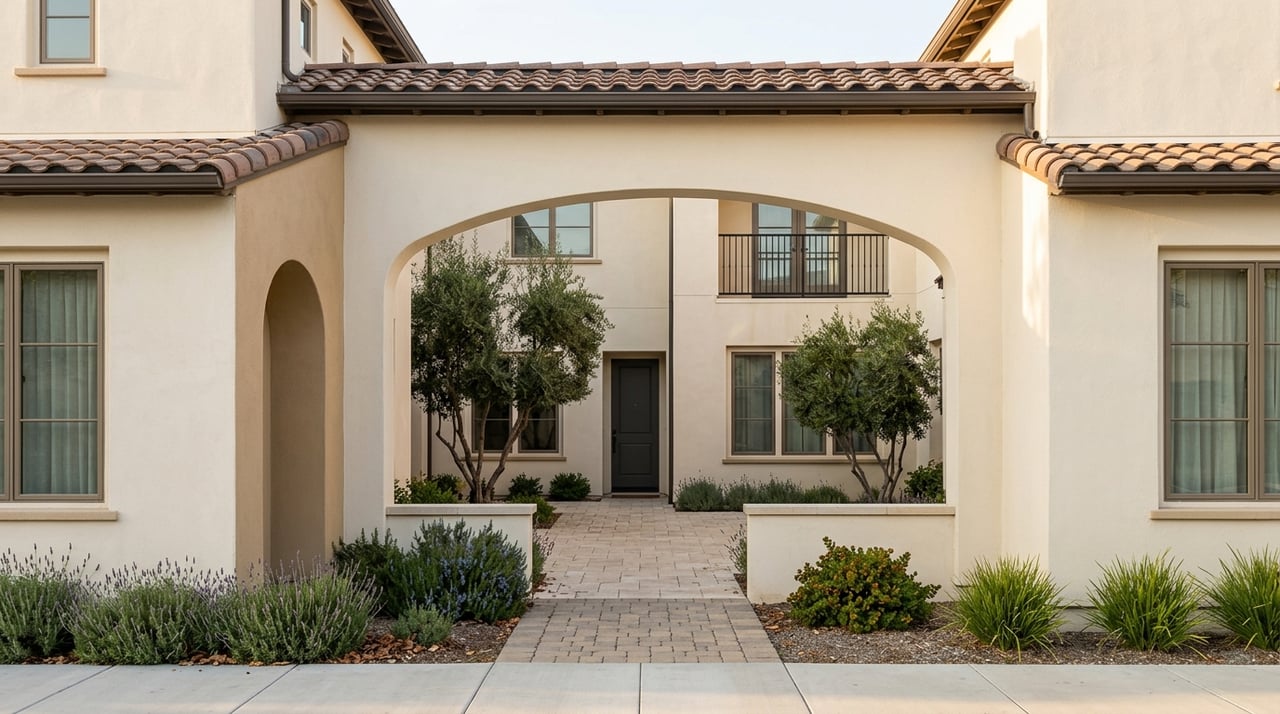
Your Guide to Buying Berkeley Condos and Townhomes
Wondering whether a condo or townhome is the right way to buy into Berkeley? You are not alone. For many buyers, attached homes offer a practical path into a city known for walkability, transit access, and strong demand, but they also come with extra layers like HOA dues, disclosures, and financing details. This guide will help you understand Berkeley’s condo and townhome market, compare location trade-offs, and ask smarter questions before you write an offer. Let’s dive in.
Berkeley’s attached-home market sits in its own lane. As of June 2026, the Berkeley and Kensington attached report showed 33 active listings, about 3.0 months of inventory, a median sale price of $745,000, average price per square foot of $835, average days on market of 41, and buyers paying 110% of list price on average.
That matters because attached homes often look different from Berkeley’s overall housing market. Berkeley’s all-home median sale price is about $1.5 million, which is much higher than the attached-home median. In simple terms, condos and townhomes can offer a more accessible price point than detached houses in the city.
The market is also concentrated below the top luxury tiers. Year to date in 2026, 75% of attached sales were under $1 million, and 93.75% were under $1.7 million. Only two sales landed between $2 million and $2.999 million, with none above $3 million.
If you are comparing condos and townhomes in Berkeley, availability is part of the story. Redfin shows 34 condos for sale with a median listing price of $679,000, while a current Realtor.com snapshot shows only one Berkeley townhome listing and a median listing price around $1.1 million.
That does not mean every townhome costs more than every condo. It does suggest that townhomes are usually scarcer in Berkeley, and scarcity can make them feel more competitive when one hits the market. If you want a townhome, you may need to move faster and stay flexible on timing.
You will also see a wide range of housing styles. Current listings point to a mix of older courtyard buildings, two-unit properties, boutique condos, mid-century units, and renovated homes. Berkeley attached housing is not one uniform product, so the building itself matters just as much as the bedroom count.
Berkeley’s attached-home pricing can vary a lot from one listing to the next. Redfin examples range from a $299,950 studio to a $1.1 million two-bedroom, one-and-a-half-bath condo. That spread shows why a citywide median only tells part of the story.
Micro-area also shapes value. Current all-property neighborhood benchmarks from Realtor.com show West Berkeley at $899,000, South Berkeley at $947,500, Central Berkeley at $1,096,500, North Berkeley at $1,095,000, and Northside at $799,000. These are not attached-only figures, but they help explain why buyers often compare specific parts of Berkeley rather than relying on one number for the whole city.
Berkeley is compact, walkable, and bike-friendly. Redfin gives Berkeley a Walk Score of 85, and Visit Berkeley notes that driving a personal car can be less essential here than in many California destinations. That can be a huge benefit, but your daily routine still depends on which part of the city you choose.
In Berkeley, attached-home buying is often a lifestyle decision as much as a price decision. Some buyers want BART access and an easy car-light routine. Others want a more residential feel while staying close to shops, dining, and services.
Downtown Berkeley is the city’s urban hub for arts, dining, shopping, and lodging, with access to Downtown Berkeley BART and nearby parking garages. West Berkeley includes the downtown area near Berkeley BART and extends toward the freeway.
This part of Berkeley often works well if you want central access and easier transit use. The trade-off is a denser, busier setting. If you like urban energy, that may be a plus rather than a drawback.
North Berkeley is known for being close to campus and within walking distance of groceries, restaurants, bookstores, public transit, and other everyday services. North Shattuck is a food-focused district with a strong neighborhood feel.
If you want walkability with a quieter residential character, this area may deserve a close look. It can offer a nice middle ground between convenience and a calmer day-to-day atmosphere.
Southside is the closest area to campus, and the immediate south side can feel hectic and noisy. Lorin is a transit-accessible commercial district centered around Ashby BART.
These areas may fit you if campus access or public transit ranks high on your list. If you are sensitive to noise or want slower streets, it is worth touring at different times of day before you decide.
Elmwood is Berkeley’s oldest commercial district and includes independently owned boutiques, cafes, and restaurants. It is often described as more tranquil than the immediate south-campus area.
For many buyers, Elmwood offers a polished residential-commercial mix. If you want neighborhood charm with walkable daily conveniences, this area can be especially appealing.
Fourth Street is known for leafy sidewalks, specialty retail, and dining. The Gilman District mixes residences, studios, warehouses, dining, and nightlife, while the West Berkeley design corridor is known for its concentration of design and building professionals.
These areas can appeal to buyers who want a more contemporary retail setting or a design-oriented environment. The feel is different from traditional residential pockets, so it helps to match the area to your routine and preferences.
When you buy a condo or townhouse in a California common-interest development, you automatically become a member of the HOA. That means you are buying into both the unit and the association.
This is why monthly dues deserve a closer look. In current Berkeley examples, one 1916 condo has a $530 HOA that includes all utilities, building maintenance, and structural insurance, while another 1932 unit shows a $465 HOA and a garage. Two homes can have similar dues but very different coverage.
Before you compare one property to another, ask what the dues actually cover. You want to know whether they include utilities, insurance, exterior maintenance, amenities, or other shared expenses. The lowest dues are not always the best value.
With attached homes, some of the biggest issues are not obvious during a showing. For resale condos and townhomes, California Civil Code section 4525 requires the seller to provide key HOA documents, including governing documents, the most recent budget and reserve materials, current assessments and unpaid fines, unresolved violation notices, rental restriction statements, requested board minutes, and the latest exterior elevated element inspection report.
That is a long list, but it protects you. These documents can reveal deferred maintenance, rule restrictions, financial pressure, or pending concerns that you would never spot by looking at kitchen finishes or natural light.
If you are considering new construction, the process is different. The California Department of Real Estate requires a public report before marketing a new condo or townhome project, and that report outlines material disclosures such as CC&Rs, HOA costs, and assessments.
Reserve strength is one of the most important parts of condo and townhome due diligence. Strong reserves can help an HOA plan for future repairs, while weak reserves may increase the risk of future costs landing on owners.
Special assessments are another key issue. Under California Civil Code 5610, emergency assessment increases can happen for court-ordered expenses, health and safety hazards, or unforeseen repair needs, and the board must adopt a written resolution explaining the need.
This does not mean every HOA is risky. It does mean you should review budgets, reserve materials, and meeting minutes carefully so you understand whether the association appears proactive or reactive.
Condo and townhome financing is not always as simple as getting pre-approved and picking a unit. Lenders may review reserve levels, insurance, litigation, and the structure of the project when deciding whether a condo is financeable.
If you plan to use FHA financing, check project status early. HUD condominium guidance makes project approval and single-unit approval relevant in some transactions, and California’s annual budget report for condo projects includes a statement about FHA approval status.
This is one reason preparation matters in Berkeley’s competitive attached market. If buyers are paying 110% of list price on average, you want to know early whether a building fits your loan type before you spend time and emotion on the wrong property.
A strong offer starts with strong questions. Before you move forward, make sure you understand both the home and the HOA behind it.
If Berkeley feels broad, simplify your search by focusing on four filters first. This can save time and help you compare homes more clearly.
Look beyond the purchase price. Include estimated HOA dues, insurance needs, property taxes, and any likely near-term repair exposure from the HOA documents.
Think about how you actually live. If you want transit and a car-light setup, Downtown, West Berkeley, Southside, or Lorin may rise to the top. If you want neighborhood walkability with a calmer feel, North Berkeley, North Shattuck, or Elmwood may be a better fit.
Do you prefer an older building with character, or a more updated project with different maintenance expectations? Berkeley has a broad mix, and your comfort with building age and shared systems matters.
Do not wait until the end to ask the hard questions. HOA documents can change how you view a property, especially if dues are low because reserves are weak or if rental restrictions could affect your long-term plans.
Buying a Berkeley condo or townhome is not just about finding the right square footage. It is about finding the right balance of price, location, building style, HOA health, and financing fit.
That is especially true in a market where attached homes can offer a more attainable entry point than detached houses, but still move competitively. When you approach the search with clear priorities and strong due diligence, you put yourself in a much better position to buy with confidence.
If you want a calm, strategic approach to buying a condo or townhome in Berkeley, Heather MacFarland can help you evaluate the numbers, the trade-offs, and the details that matter before you commit.



Heather MacFarland is an experienced real estate agent with a passion for providing white-glove, concierge services to every client she represents.
Heather MacFarland | CA DRE# 02141113 | Elation Real Estate
127 Spring St Ste 230 Pleasanton, CA 94566