
The Real Cost of Investing in California Residential Real Estate
Investing in California real estate can be an excellent way to build long-term wealth, generate passive income, and diversify your portfolio. However, many investors focus only on the purchase price and potential appreciation, overlooking expenses that can significantly affect profitability.
Whether you're buying your first investment property or adding to an existing portfolio, understanding the full cost of ownership is critical to making smart investment decisions.
Before purchasing an investment property, consider both the upfront costs and the ongoing expenses that come with ownership.
California remains one of the most competitive real estate markets in the country, which means investors should be prepared for substantial upfront costs.
Key factors to consider:
Investment properties typically require a 20%–25% down payment
Interest rates and financing terms can affect your monthly cash flow
Competitive markets may lead to multiple offers and bidding wars
Higher-demand areas often require larger cash reserves
The purchase price is just the beginning of your investment analysis.
Many new investors underestimate closing costs, which can add thousands of dollars to the total acquisition cost.
Common closing expenses include:
Loan origination fees
Title insurance
Escrow fees
Property inspections
Appraisals
Transfer taxes
In California, closing costs typically range from 2%–5% of the purchase price, making it important to account for them in your investment budget.
Property taxes are one of the largest recurring expenses associated with real estate ownership.
Important considerations:
California's base property tax rate is approximately 1% of assessed value
Local assessments and special district taxes may increase the total amount owed
Property improvements and reassessments can impact future tax obligations
Understanding your annual tax burden is essential when evaluating cash flow and return on investment.
Protecting your investment property is non-negotiable.
Depending on the property's location and use, you may need:
Homeowner's insurance
Landlord insurance
Earthquake insurance
Additional coverage for wildfire-prone areas
Insurance premiums vary based on location, property condition, replacement value, and risk exposure.
Every property requires ongoing maintenance, and unexpected repairs are inevitable.
Investors should budget for:
Landscaping and exterior upkeep
Plumbing and electrical repairs
Appliance replacements
Roofing and HVAC maintenance
General wear and tear
A common guideline is to reserve 1%–2% of the property's value annually for maintenance and repair expenses.
If you prefer a hands-off investment approach, hiring a property manager can save time and reduce day-to-day responsibilities.
Typical management costs include:
Monthly management fees (often 8%–12% of rental income)
Tenant placement fees
Lease renewal fees
Maintenance coordination charges
While management fees reduce profit margins, they can significantly improve operational efficiency.
Even strong rental markets experience vacancies.
Potential challenges include:
Time between tenants
Unexpected tenant turnover
Seasonal demand fluctuations
Economic changes that impact rental demand
Maintaining adequate reserves can help cover expenses when rental income is temporarily unavailable.
Many California condominiums, townhomes, and planned communities have homeowner association (HOA) fees.
HOA fees may cover:
Exterior maintenance
Community amenities
Landscaping
Portions of insurance coverage
Investors should also understand local regulations that may affect profitability, including:
Rent control ordinances
Tenant protection laws
Short-term rental restrictions
Local permitting requirements
These factors can directly impact cash flow and investment returns.
Successful real estate investing is about more than finding the right property. It's about understanding all the costs associated with ownership before making a purchase.
When you carefully evaluate:
Acquisition costs
Taxes
Insurance
Maintenance
Property management
Vacancy risk
Regulatory requirements
You can make more informed decisions and avoid costly surprises.
The investors who consistently achieve strong returns are often the ones who fully understand both the visible and hidden costs before they buy.
How much money do I need to invest in California real estate?
Most investment properties require a minimum down payment of 20%–25%, plus additional funds for closing costs, reserves, repairs, and potential renovations.
Are property taxes high in California?
California property taxes are relatively moderate compared to many states, generally averaging around 1% of assessed value. However, local assessments may increase the total amount owed.
Is hiring a property manager worth it?
For many investors, yes. Property management can save time, streamline operations, and reduce stress, though it does come at the cost of lower net income.
What are the most overlooked costs in real estate investing?
Maintenance, repairs, vacancy periods, and unexpected capital expenditures are often the most underestimated expenses.
How do I determine if a property is a good investment?
Evaluate the property's:
Cash flow
Return on investment (ROI)
Cap rate
Operating expenses
Vacancy assumptions
Long-term appreciation potential
A thorough financial analysis should always be completed before purchasing.
California residential real estate continues to offer strong long-term investment opportunities, but success starts with understanding the complete financial picture.
By accounting for both upfront and ongoing costs, investors can make better decisions, reduce risk, and position themselves for stronger long-term returns.
At Elation Real Estate, we help investors identify opportunities and navigate the markets throughout Pleasanton, Livermore, Alamo, Walnut Creek, San Ramon, Dublin, Danville, Oakland, Berkeley, and Alameda. If you're considering investing in California real estate, our team can help you evaluate opportunities with confidence and clarity.
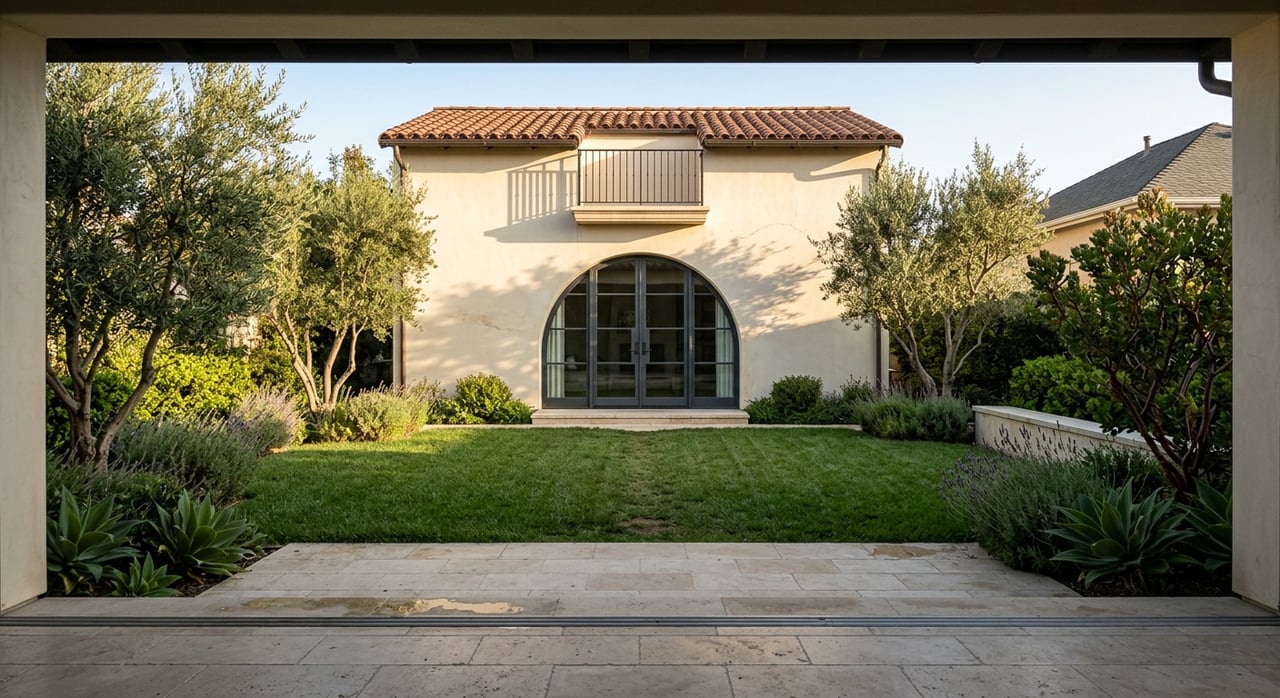
Understanding the full cost of ownership is critical to making smart investment decisions.

Selling a home can be a stressful process, especially when you want to get the best price possible.

As of April 2026, the Tri-Valley real estate market remains healthy, active, and highly nuanced.

This guide highlights the best summer activities in each city, helping you plan memorable adventures.

How could lower mortgage rates impact the 2026 Tri-Valley spring housing market?

So how are so many buyers pulling this off? The answer is simple: home equity.

Choosing the right neighborhood means aligning lifestyle preferences and long-term financial strategy.

Relocating to the Tri-Valley is an exciting move for many professionals.
Heather MacFarland is an experienced real estate agent with a passion for providing white-glove, concierge services to every client she represents.

Heather MacFarland | CA DRE# 02141113 | Elation Real Estate
127 Spring St Ste 230 Pleasanton, CA 94566